WSA brand asset 6

The technology behind Sound Preference

Discover how time-domain and frequency-domain processing create different sound qualities – and why that difference matters in real-world listening.


Two technologies.
Two distinct sound experiences.

Digital hearing aids process sound through filter banks that split the signal into multiple frequency bands.


Here, there is a trade-off between time resolution and frequency resolution. Filters that are narrow in frequency provide detailed spectral information but require longer processing windows. Broader filters allow lower processing delay but with less fine spectral separation.


It’s important to understand that neither is universally better. But individual patients may strongly prefer one or the other – and this preference matters.
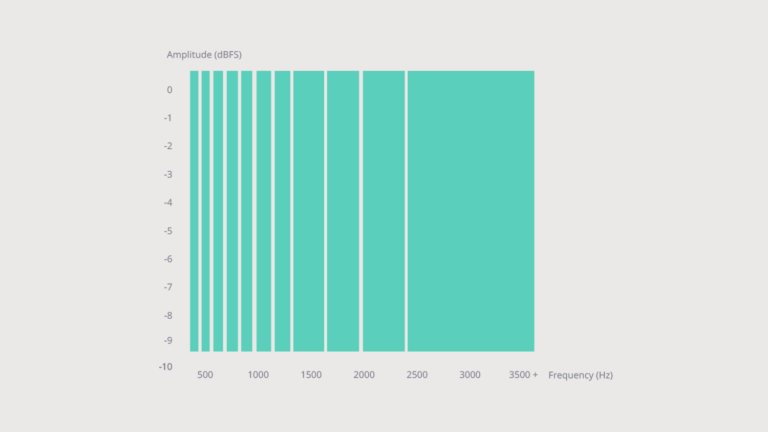
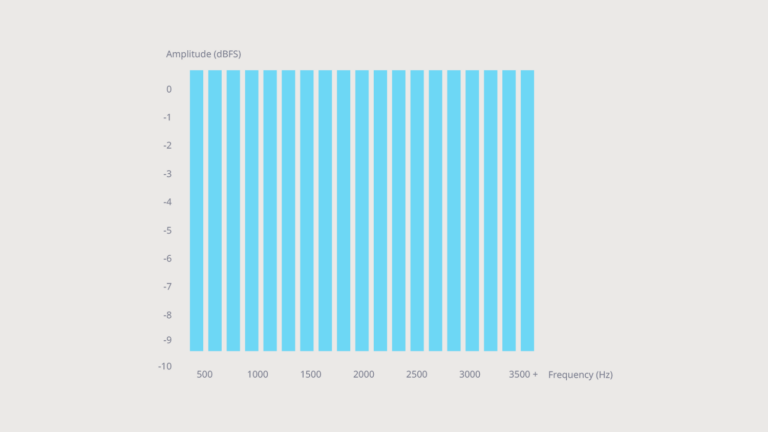
Time-domain processing

Uses filters modelled on the logarithmic organization of the human cochlea with narrower filters at low frequencies, where sensitivity is high, and broader filters at higher frequencies.

  • Variable-width filters mimic the human ear
  • Enables low processing delay

 
Suited to listeners who prefer authentic, more natural sound clarity.

Frequency-domain processing

Analyses sound using relatively narrow, uniformly spaced filters, enabling detailed parallel spectral analysis and efficient processing.

  • Extra processing power
  • High-resolution data processing

 
Often favored by listeners who prefer enhanced speech contrast and foreground focus.

Document

Explore the two processing technologies

Want a deep dive?
Download an overview explaining the two distinct sound processing approaches and how they shape the listening experience.


Hear from Matthew Allsop on our approach and technologies

Discover the impact of different processing technologies

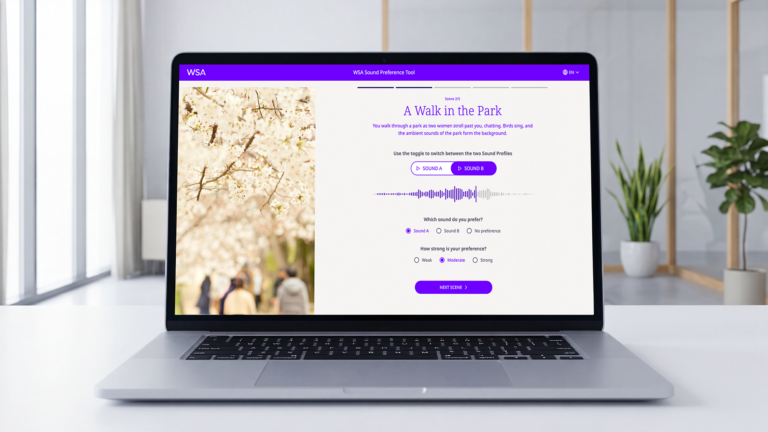
Explore how different sound processing approaches shape the listening experience. The WSA Sound Preference Tool allows you to compare the two technologies across a range of everyday listening situations and discover the approach that best matches your preference.

The evidence behind Sound Preference

Explore the research behind different sound processing technologies and their influence on individual listening preferences.

Get in touch


If you have any questions or comments regarding Sound Preference, our research, or other hearing care related topics, feel free to reach out.